Understanding Portable Food Pantry Setups

When I first encountered the concept of a portable food pantry, I was struck by how simple yet powerful it could be. It’s a lifeline for many, especially those who face daily uncertainty about their next meal. Portable food pantries bring nourishment directly to people who need it most, breaking down barriers like transportation and stigma. Over time, I’ve come to appreciate the thoughtful planning and heart behind these setups. Today, I want to share what I’ve learned about how portable food pantries work, why they matter, and how they can be designed to serve communities better.
What Is a Portable Food Pantry?
A portable food pantry is essentially a mobile or temporary distribution point for food assistance. Unlike traditional food banks housed in fixed locations, these pantries can move to different neighborhoods, parks, or community centers. This mobility allows them to reach people who might not otherwise access food support due to distance, lack of transportation, or other challenges.
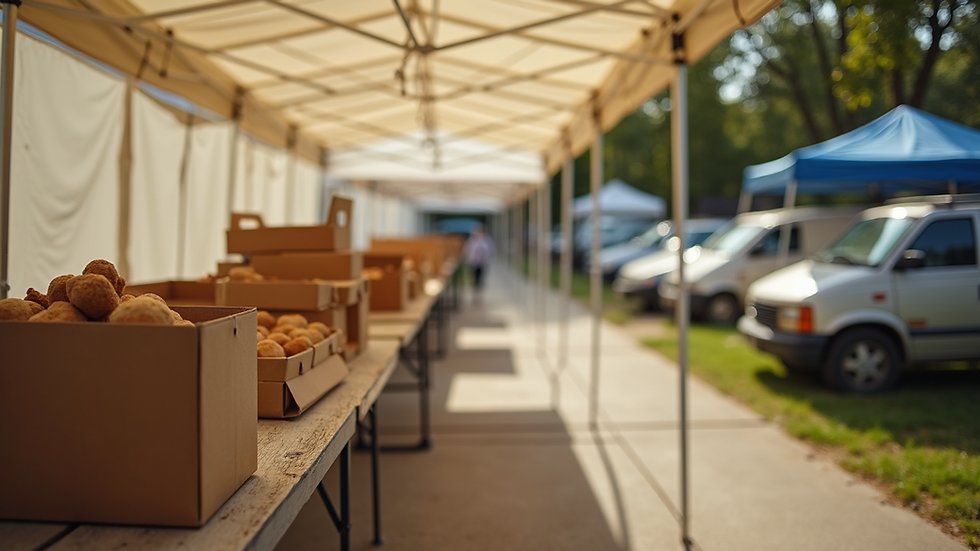
The setup usually involves a vehicle or a simple tent and tables where volunteers distribute pre-packed food boxes or fresh produce. The goal is to make food access as easy and dignified as possible. I’ve seen setups ranging from a small van with shelves to larger trucks equipped with refrigeration units. Each setup reflects the unique needs of the community it serves.
Why Portable Food Pantries Are Essential
I’ve met many people who rely on portable food pantries. For some, it’s the only reliable source of nutritious food. For others, it’s a way to supplement their meals without feeling judged or overwhelmed by paperwork. Portable food pantries reduce the distance between food and those who need it, which is crucial in areas where public transportation is limited or costly.
Moreover, these pantries often become more than just food distribution points. They foster a sense of community and connection. Volunteers and recipients share stories, support, and sometimes even resources beyond food. This human connection is something I find deeply moving and essential for healing and hope.
Key Components of a Portable Food Pantry Setup
Setting up a portable food pantry requires careful thought and planning. Here are some of the key components I’ve found important:
Location Selection: Choosing a spot that is accessible and safe is critical. Parks, community centers, and church parking lots often work well.
Transportation: A reliable vehicle or trailer is needed to transport food and supplies. Refrigerated trucks are ideal for perishable items.
Storage and Display: Tables, shelves, or racks help organize food items for easy distribution. Clear labeling and separation of food types make the process smoother.
Volunteers: Friendly, trained volunteers are the heart of the operation. They manage setup, distribution, and cleanup while offering kindness and respect.
Food Safety: Maintaining proper food handling and storage standards is essential to protect recipients’ health.
Communication: Informing the community about when and where the pantry will be available helps maximize reach.
Each of these elements plays a role in creating a welcoming and efficient environment. I’ve seen how even small improvements, like adding shade tents or seating areas, can make a big difference for those waiting in line.
How to Organize a Portable Food Pantry Event
Organizing a portable food pantry event can feel overwhelming at first, but breaking it down into steps helps. Here’s a simple guide based on my experience:
Assess Community Needs: Talk to local organizations and residents to understand what types of food and services are most needed.
Secure Partnerships: Collaborate with food banks, grocery stores, and local farms to source donations.
Choose a Location and Date: Pick a place that’s easy to reach and a time that works for the community.
Recruit Volunteers: Reach out to community members, churches, and schools for help.
Plan Logistics: Arrange transportation, storage, and distribution materials.
Promote the Event: Use flyers, social media, and word of mouth to spread the word.
Set Up and Execute: Arrive early to set up, greet attendees warmly, and manage the flow efficiently.
Follow Up: Gather feedback and plan improvements for future events.
I always recommend keeping the atmosphere positive and respectful. People come with dignity, and the way we treat them matters deeply.
Challenges and Solutions in Portable Food Pantry Operations
Running a portable food pantry isn’t without its challenges. Weather can be unpredictable, food donations may vary, and volunteer availability can fluctuate. I’ve learned that flexibility and creativity are key to overcoming these hurdles.
For example, during hot summer days, providing shade and water can make waiting more bearable. In colder months, offering warm clothing or blankets alongside food can show extra care. When donations run low, partnering with local businesses or launching community fundraisers can help fill gaps.
One challenge I’ve seen is ensuring fresh produce stays fresh. Using coolers or portable refrigeration units can extend the shelf life of fruits and vegetables. Also, educating recipients on how to store and prepare these items helps reduce waste.

The Impact of Portable Food Pantries on Communities
The impact of portable food pantries goes beyond just filling stomachs. They provide hope, stability, and a sense of belonging. I’ve witnessed families who once felt isolated find community support through these programs. Children who might have gone hungry have access to nutritious meals that help them thrive.
Portable food pantries also raise awareness about food insecurity and inspire more people to get involved. When communities come together to support one another, it creates a ripple effect of kindness and resilience.
WSM-Wellness aims to grow its community-funded portable food pantry and homeless outreach efforts, reaching more struggling families and individuals in need. They want to expand their network of support, ensuring more people receive essential meals and feel valued. This vision is something I deeply admire and want to support.
How You Can Help or Start Your Own Portable Food Pantry
If you feel moved to help or start a portable food pantry, here are some practical steps:
Volunteer: Offer your time to existing programs. Your presence and kindness make a difference.
Donate: Food, funds, or supplies like tables and tents are always needed.
Advocate: Raise awareness in your community about food insecurity and the benefits of mobile pantries.
Partner: Connect with local organizations to pool resources and knowledge.
Educate: Learn about food safety and distribution best practices to ensure your efforts are effective.
Starting small is okay. Even a monthly event can grow into something bigger with dedication and community support. Remember, every meal shared is a step toward healing and hope.
Portable food pantries are more than just a way to distribute food. They are a bridge to dignity, connection, and community strength. By understanding how they work and what makes them successful, we can all play a part in making sure no one goes hungry or feels forgotten.


Comments